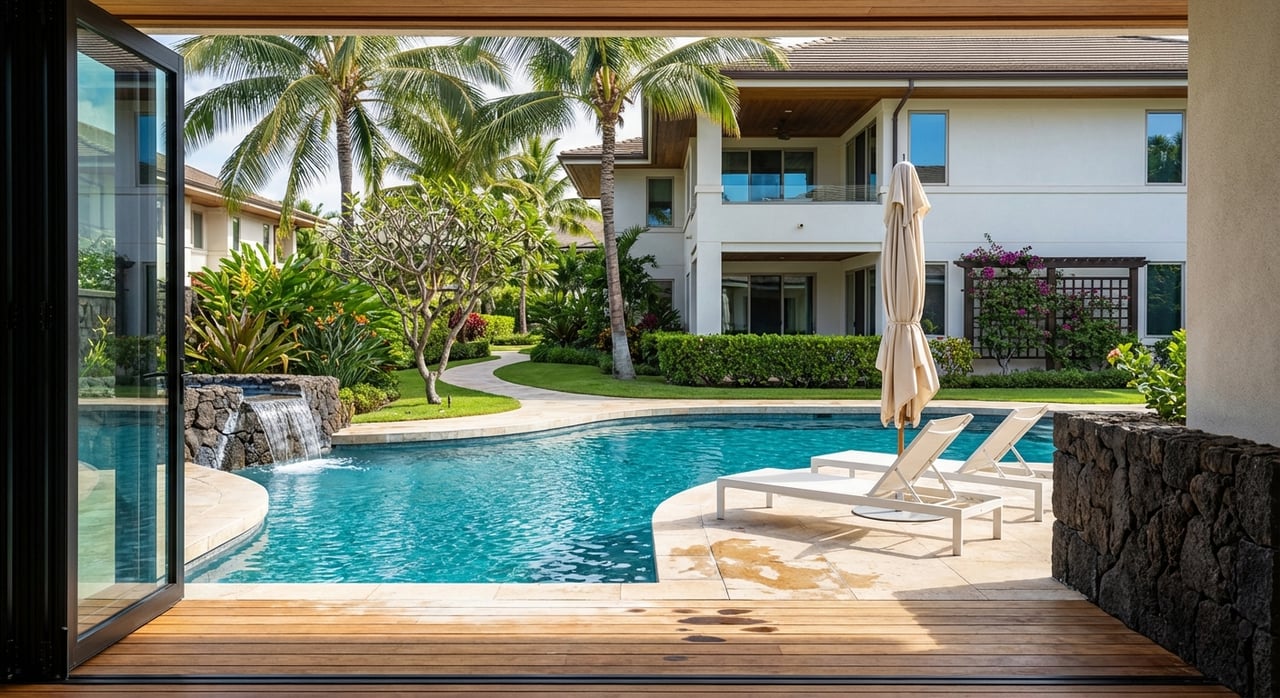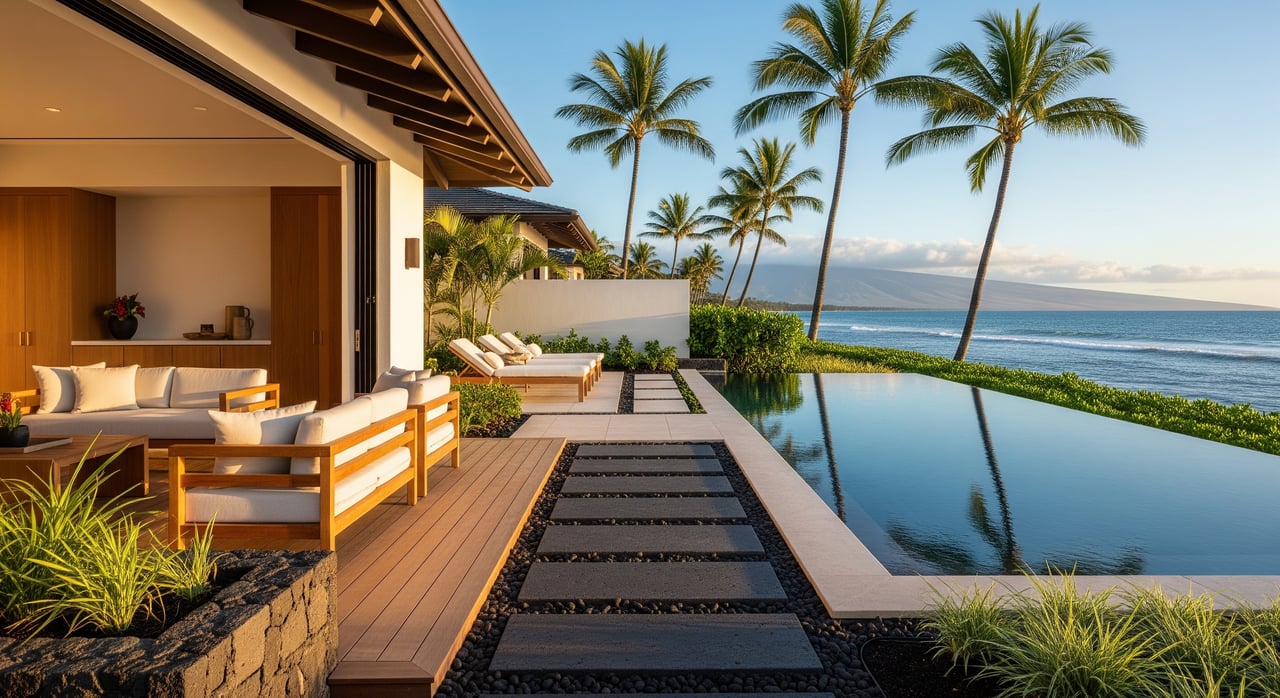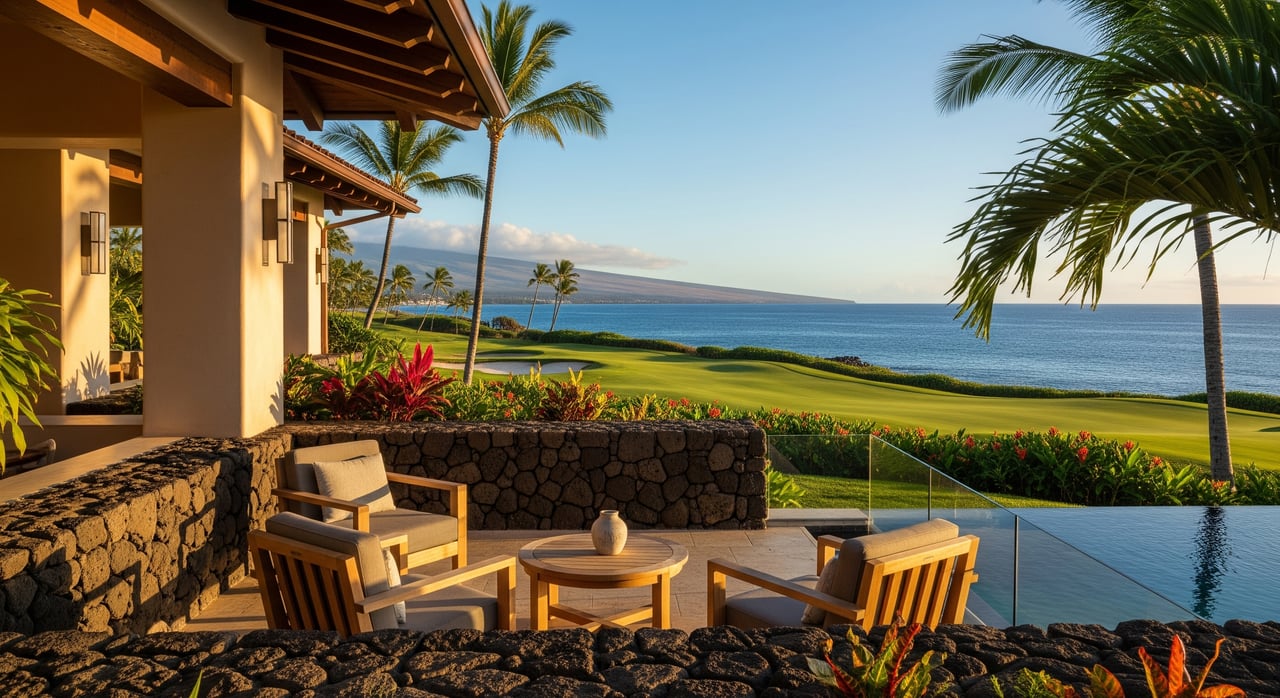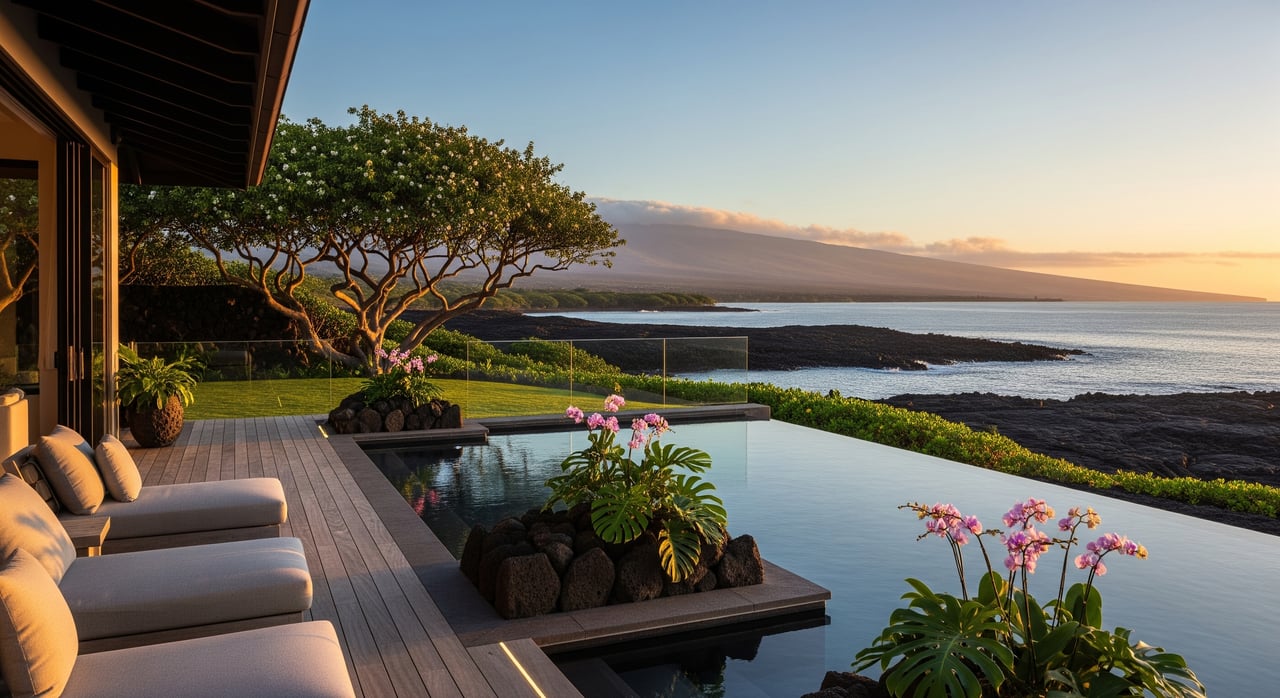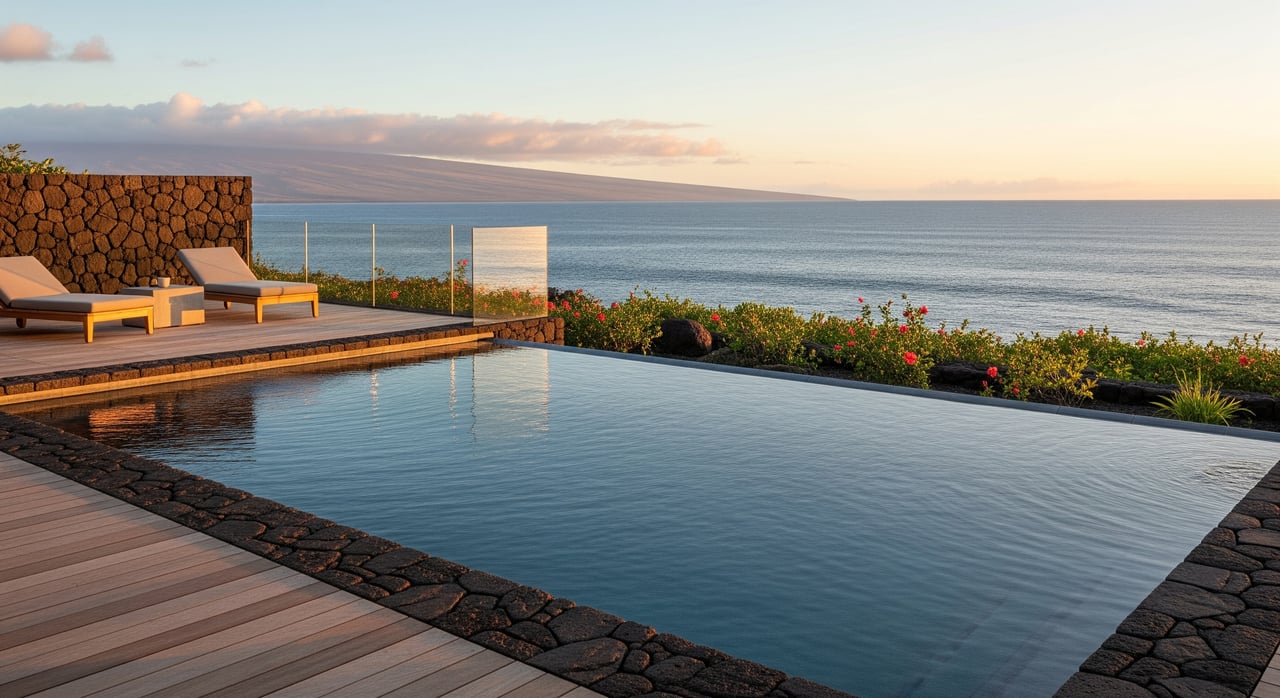
If you are torn between waking up to rolling surf steps from your lanai or savoring big blue views from an elevated perch above Hapuna, you are not alone. Choosing between oceanfront and ocean-view at Mauna Kea Resort and Hapuna Beach can feel like two perfect options with very different realities. In this guide, you will learn how the terms are defined in Hawaiʻi, what to check for shoreline and permits, how salt exposure affects maintenance, and what long-term insurance and resale tradeoffs to expect. Let’s dive in.
Oceanfront vs ocean-view defined
In day-to-day listings, oceanfront usually means the parcel directly touches the shoreline or beach and has immediate access to the near-shore area. For condos, it means the building sits right on the beachfront with no road or other property in between. The experience is immersive, with surf sound, sea breezes, and beach access steps away.
Ocean-view means you have a clear or partial view of the ocean without necessarily touching the shoreline. In condos, higher floors often command stronger view premiums. Views can be panoramic or partial, and they can shift with vegetation, nearby building activity, and topography.
A key legal point in Hawaiʻi is the certified shoreline. The State’s Department of Land and Natural Resources determines and certifies the shoreline for each parcel. Setbacks, permits, and public access often rely on this official line. Before you rely on marketing language, verify the boundary through the DLNR’s shoreline certification resources.
Shoreline setbacks and permits
Shoreline setbacks are typically measured from the certified shoreline and can vary by county. In Hawaiʻi County, development near the coast may also fall under Special Management Area review. Policies stem from state Coastal Zone Management law, which you can review through the Hawaiʻi Office of Planning Coastal Zone Management program.
Shorelines are dynamic. Erosion, accretion, storms, and sea level rise projections can shift where the shoreline sits over time. That can change how “oceanfront” a property feels and can alter future building potential. Always pair current certification with historic erosion data before you plan improvements.
New construction and most substantial coastal work require permits. Seawalls and hard shoreline protection are heavily regulated and often discouraged because of impacts to neighboring beaches. For parcel-specific guidance and permit history, consult the Hawaiʻi County Planning Department.
Salt, surf, and maintenance realities
Proximity to the ocean means more salt spray and airborne chlorides. These accelerate corrosion of metals, reduce the life of paints and coatings, and put extra wear on mechanical systems like HVAC and pool equipment. High humidity, wind-driven moisture, and strong UV exposure add to the workload.
The materials most affected include ferrous metals, window and door hardware, exterior wood, and any exposed fasteners. Higher-grade stainless steel like 316, marine-grade coatings, composite decking, and sealed glazing systems can stretch service life. Owners of oceanfront properties often repaint or refinish exteriors more frequently than inland, with cycles commonly in the 3 to 7 year range depending on exposure and material.
Plan on regular inspections for corrosion, roof flashing, window and door seals, and mechanical equipment. Condominiums that sit on the shoreline typically carry higher HOA maintenance budgets and reserves because common façades and structure take the brunt of salt exposure. For Hawaiʻi-specific building and maintenance strategies, the University of Hawaiʻi Sea Grant offers practical guidance.
Hazards, insurance, and long-term exposure
The Island of Hawaiʻi experiences coastal storms, king tides, and tsunamis. Tsunami evacuation zones exist across the coast. Before you commit to a property, check the zone and local evacuation maps through the Hawaiʻi Emergency Management Agency tsunami resources.
FEMA Flood Insurance Rate Maps identify flood risk and base flood elevations. Many oceanfront parcels fall within Special Flood Hazard Areas, which can trigger lender requirements for flood insurance. Start your due diligence at the FEMA Flood Map Service Center and request an elevation certificate from the seller when available.
Flood insurance under the National Flood Insurance Program is separate from a standard homeowner policy. Coastal properties can also face higher premiums and deductibles for wind or hurricane coverage, and some insurers may limit coverage for parcels with higher erosion or flood risk. Mitigation measures like elevation certificates, flood vents, and resilient assemblies can influence premiums.
Think beyond today’s weather. Sea level rise projections suggest more frequent inundation and erosion over time. To visualize possible scenarios, explore NOAA’s Sea Level Rise Viewer. For your purchase, evaluate near-term risk over 10 to 30 years as well as longer horizons that can affect resale.
Lifestyle and market tradeoffs
At Mauna Kea Resort and Hapuna Beach, both oceanfront and ocean-view properties offer rare lifestyle value. Oceanfront gives you direct beach proximity and a strong sensory connection with the ocean. You will weigh that against higher exposure to salt, potentially higher insurance costs, and more intense maintenance.
Ocean-view properties often deliver sweeping vistas, west-facing sunsets, and cooling breezes with less direct salt stress. The carrying costs can be lower, and the buyer pool may be broader when you resell. If you prefer privacy with a big horizon, an elevated setting a short cart ride or walk from the beach can be a sweet spot.
Premiums reflect rarity, view quality, and access. Direct access to a stable beach within a gated resort enclave tends to command a premium. In condos, floor height and orientation matter for both views and exposure. For exact numbers in this corridor, rely on a current comparative market analysis using recent, nearby sales of similar product types.
Condos vs single-family near the shore
Resort condos offer managed exterior maintenance, beach access, and amenities with HOA dues that reflect oceanfront upkeep. For individual owners, that can smooth out maintenance surprises but increase monthly costs. Floor level, building orientation, and façade condition are key value drivers.
Single-family oceanfront homes offer land and privacy with the highest exposure to coastal wear. Owners carry the responsibility for materials, maintenance cycles, and any shoreline-related permitting. Budget for more frequent inspections and specialized contractors with coastal experience.
Quick decision guide
- Choose oceanfront if your top priority is immediate beach access and the sound of surf, and you are comfortable planning for higher maintenance and insurance.
- Choose ocean-view if you want big vistas, sunsets, and breezes, you prefer lower exposure and potentially lower carrying costs, and you are fine being a short distance from the sand.
- For condos, consider floor height, orientation to prevailing winds, façade condition, and reserve funding as much as the view itself.
- For single-family homes, look closely at materials, corrosion signs, and any shoreline permits or setbacks that could limit future improvements.
Due diligence checklist for Mauna Kea and Hapuna
Use this list to compare specific properties and reduce surprises.
- Shoreline certification: request DLNR shoreline certification records for the parcel through the DLNR shoreline certification resources.
- Coastal rules: review state policy under HRS Chapter 205A at the Hawaiʻi Office of Planning Coastal Zone Management program and check local SMA rules and permit history with the Hawaiʻi County Planning Department.
- Erosion and best practices: consult the University of Hawaiʻi Sea Grant for coastal maintenance and building guidance.
- Flood risk: confirm FEMA flood zone and base flood elevation with the FEMA Flood Map Service Center, and request an elevation certificate if available.
- Tsunami evacuation zone: verify with the Hawaiʻi Emergency Management Agency tsunami resources.
- Insurance: obtain quotes for homeowner, wind, and flood coverage from local brokers and ask about the property or HOA claims history.
- HOA and reserves: review reserve studies, exterior maintenance schedules, and any special assessments for coastal buildings.
- Inspections: hire inspectors or engineers familiar with Hawaiʻi coastal corrosion to evaluate metals, glazing, roofing, and mechanical systems.
- Market data: commission a CMA using recent sales within Mauna Kea Resort and Hapuna area to compare true oceanfront to ocean-view.
- Long-term outlook: explore NOAA’s Sea Level Rise Viewer for medium and long-range exposure scenarios.
Making the right choice for you
When you weigh oceanfront against ocean-view in this resort corridor, focus on how you plan to live and how long you plan to hold the property. A beachfront lanai can be priceless if you will use it every day. A panoramic hilltop view can be just as special if you value lower maintenance and a bit more quiet.
If you want a clear, side-by-side analysis that reflects the latest permits, HOA data, and comparable sales, let’s talk. With a concierge, relationship-first approach and deep West Hawaiʻi expertise, Chelsey Tanoai can help you compare options, arrange virtual walkthroughs, and surface off-market opportunities so you can buy with confidence.
FAQs
What is the certified shoreline in Hawaiʻi and why does it matter?
- The certified shoreline is the official line established by DLNR that determines coastal setbacks, permits, and public access, so you should verify it before relying on any “oceanfront” claim.
Do oceanfront homes near Mauna Kea need flood insurance?
- If the property lies in a FEMA Special Flood Hazard Area, lenders typically require separate flood insurance, so confirm the zone on FEMA maps and request an elevation certificate.
How often will I repaint an oceanfront home on the Kohala Coast?
- Many coastal owners plan exterior repainting or refinishing on a 3 to 7 year cycle depending on exposure, materials, and the use of marine-grade coatings.
Are seawalls allowed at Mauna Kea and Hapuna?
- Shoreline protection is heavily regulated and often discouraged because of impacts to beaches, so any proposal will require permits and careful review under county and state rules.
How do condo floor levels affect ocean-view value in this area?
- Higher floors typically enjoy stronger panoramic views and more privacy, though exposure to wind and salt spray can vary by building orientation and façade design.
What condo documents should I review for coastal buildings?
- Focus on reserve studies, exterior maintenance schedules, history of special assessments, and vendor contracts for façade and mechanical systems that face salt exposure.