What keeps Mauna Lani near the top of buyers’ lists year after year? It comes down to a rare mix of coastal scarcity, protected open space, and a resort lifestyle you can tap into on day one. If you are weighing a purchase or planning a sale, you want to understand the long-term forces that support pricing here through different market cycles. In this guide, you’ll learn what drives demand in Mauna Lani, how those factors translate into value, and what to consider so you can move forward with confidence. Let’s dive in.
Mauna Lani at a glance
Location and setting
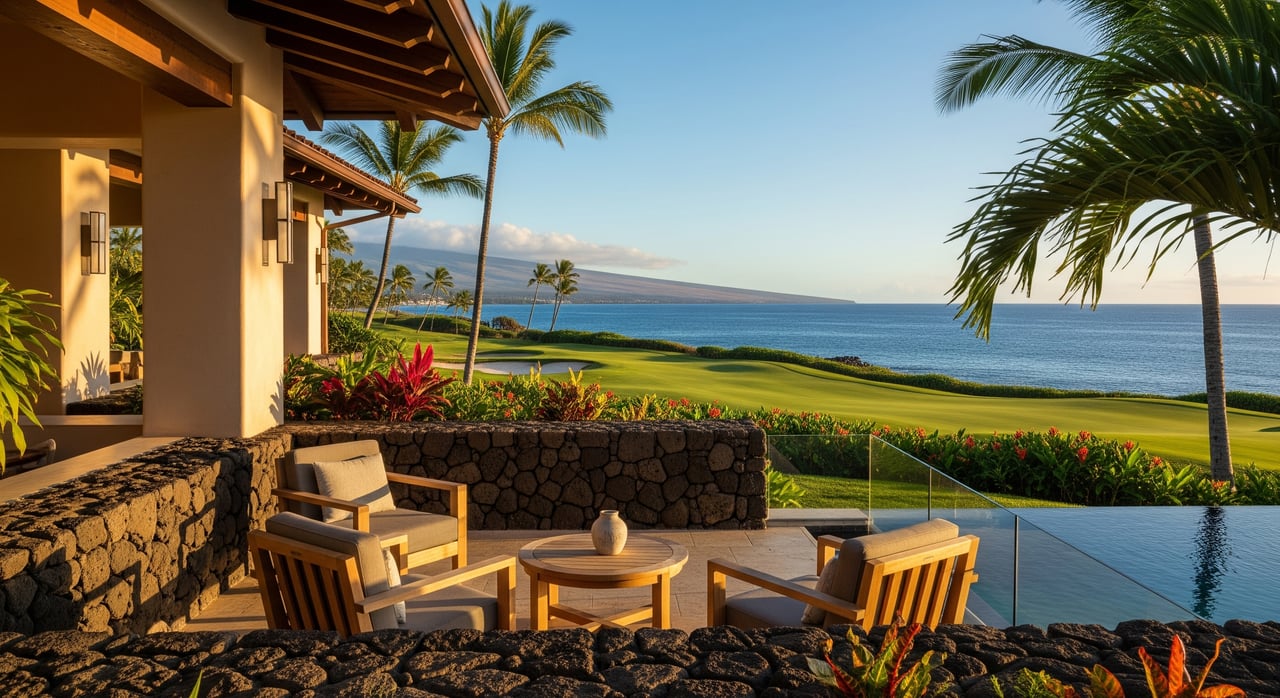
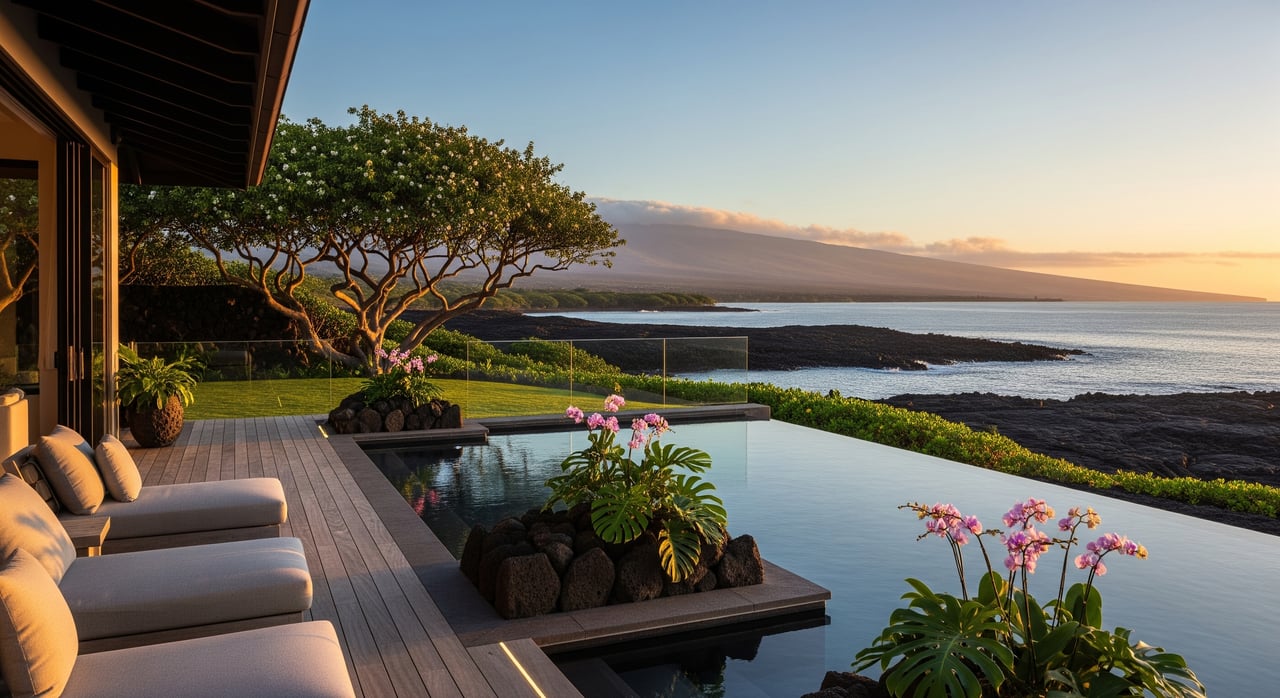
Mauna Lani sits on the Kohala Coast of Hawai‘i Island near Waimea/Kamuela. You get a drier, sunnier microclimate, reef-protected beaches, and panoramic sunset views. The community is part of a resort corridor that includes Waikōloa and Mauna Kea, forming a distinct luxury submarket on the island.
Property types and ownership
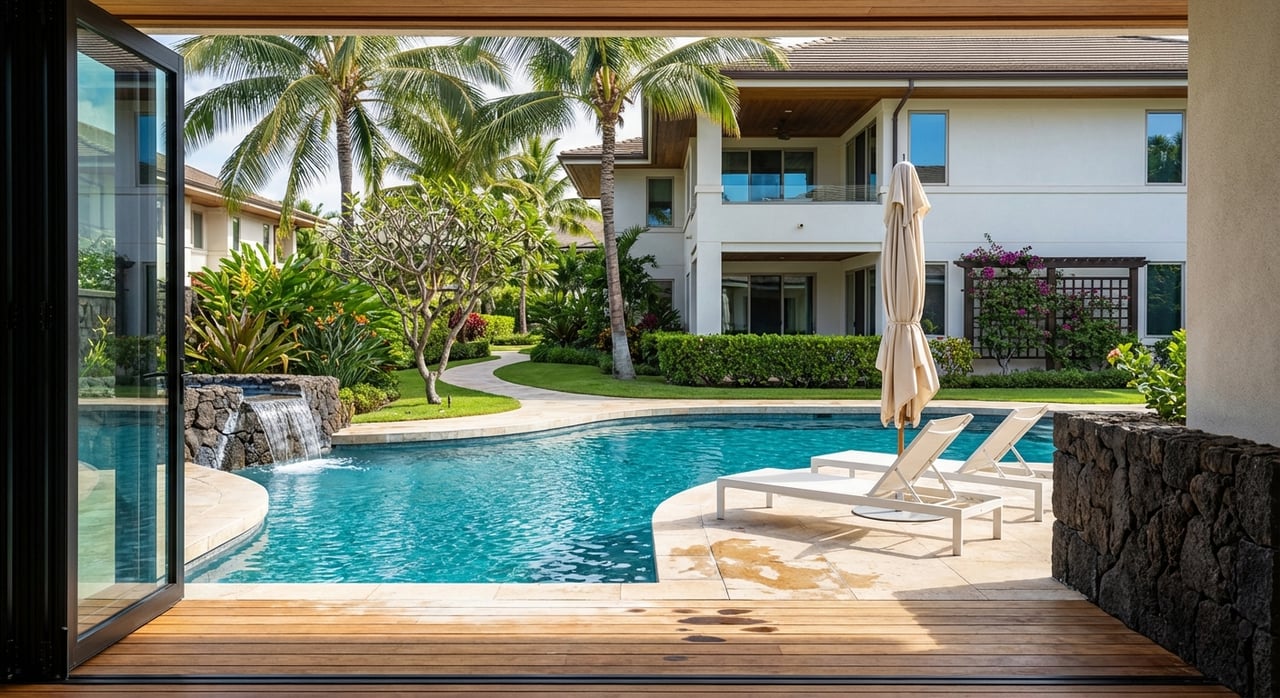
You’ll find luxury estate homes, gated neighborhoods, resort condominiums and villas, and hotel-related inventory. Many owners are second-home buyers, investors, or seasonal residents. Owner-occupancy varies by project, but resort areas tend to have more part-time use than in-town residential neighborhoods.
Supply scarcity drives value
Physical constraints
Coastal land here is finite. Much of the Kohala Coast’s shoreline is either already developed, preserved, or mapped within resort master plans. That limits new oceanfront and ocean-view opportunities. Fewer buildable parcels translates into lasting scarcity for the most desirable lots.
Regulatory constraints
Hawai‘i has strong shoreline and cultural protections. County shoreline setback rules, coastal zone management, and conservation district oversight shape what can be built and where. Cultural resources also require careful review. You can confirm current policies with the Hawai‘i County Planning Department and the State Historic Preservation Division.
Amenities that command premiums
Golf, beach club, resort services
Mauna Lani’s lifestyle is a big part of the value equation. Two championship golf courses, a private owner beach club, resort dining, spa and pools make day-to-day living or vacationing simple and enjoyable. For an overview of the resort experience, explore the Mauna Lani resort site. Properties that offer easier or guaranteed access to these amenities typically trade at a premium over similar homes without them.
Beach access and membership
Owner-only beach clubs and private shoreline access are rare in Hawai‘i, which is why they matter so much here. Controlled access, on-site amenities, and a built-in social hub add convenience and community. Membership transfer rules and fee structures can affect resale value, so confirm the policy for each property before you write an offer.
Culture, views, and design
Cultural preservation benefits
The area includes important Native Hawaiian cultural and archaeological sites. Many are preserved in place and integrated into the landscape. This stewardship helps protect open space and view corridors, which supports long-term desirability. For background on regional cultural resources, see the Ala Kahakai National Historic Trail and consult the State Historic Preservation Division for property-specific guidance.
View corridors and microclimate
This stretch of coast is known for clear skies, trade-wind comfort, and west-facing sunset views. Elevation changes create dramatic ocean vistas and Kohala mountain backdrops. Communities that preserve height limits and view corridors tend to reward existing owners with stronger value over time. Unobstructed ocean views usually command meaningful premiums.
Governance and maintenance
Well-run homeowner associations are another pillar of demand. When roads, landscaping, golf assets, and beach facilities are well maintained, you feel it in day-to-day enjoyment and in resale outcomes. Review HOA reserves, special assessment history, and insurance coverage. Solid governance supports price resilience, while underfunded reserves can become a cost risk.
Rental potential and rules
Short-term rental potential can bolster demand for certain condos and villas. Resort amenities reduce friction for guests and create a wider audience for nightly rentals. That said, returns depend on local rules and HOA policies. Check current county regulations with the Hawai‘i County Planning Department and confirm project-level restrictions in the HOA documents. For a sense of broader tourism demand, the Hawai‘i Tourism Authority publishes visitor trends you can review as part of your underwriting.
Costs and climate risk to weigh
Carrying costs run higher in coastal resort zones. Budget for HOA dues, utilities, property taxes, and insurance. If you are buying near the shoreline, add a hazard review to your checklist. Use the FEMA Flood Map Service Center for flood zones and the NOAA Sea Level Rise Viewer to understand long-term exposure. Properties set higher above the coast and compliant with shoreline setbacks generally fare better in valuation over time.
Pricing resilience in action
Scarcity and amenities create price support. When inventory is limited and the buyer pool values lifestyle over timing, prices tend to hold up better in slower cycles. Resort brands with loyal visitors and repeat buyers benefit from steady demand even when broader markets get choppy. Investor interest in rental-friendly product can add another layer of support, provided policies remain favorable. For current comps and inventory context, work from verified data sources like the HI Central MLS and recent Hawai‘i market reports.
Buyer due diligence checklist
- Memberships and access: Confirm beach club and golf membership details, including transferability, costs, and any waiting lists.
- Title and easements: Look for shoreline setbacks, cultural resource easements, and any recorded access rights.
- Permits and compliance: Review county permits and any archaeological monitoring requirements for planned work.
- Hazard review: Check FEMA flood maps, NOAA sea level rise scenarios, and county tsunami evacuation data.
- HOA health: Read CC&Rs, the latest reserve study, insurance coverages, rental policies, and special assessment history.
- Operating costs: Verify current taxes, HOA dues, typical utilities, and insurance quotes.
- Rental feasibility: If you plan to rent, confirm county compliance, any HOA limits, and obtain occupancy and rate estimates from a local property manager.
Seller strategies that signal value
- Lead with scarcity: Showcase beach proximity, view orientation, golf adjacency, and owner-only access privileges.
- Document the story: Prepare beach club transfer details, golf access, and HOA reserves up front to reduce friction.
- Prove your price: Use comps filtered for identical amenity access and view lines. Pull from the HI Central MLS and recent, like-kind sales only.
- Anticipate questions: Have archaeological correspondence and permits available. Clear answers build buyer confidence and shorten timelines.
Why work with a local expert
Mauna Lani rewards careful prep and local insight. From understanding membership rules to reading view corridors and hazard maps, details matter. If you are remote, you also need a partner who can tour you virtually, surface off-market options, and quarterback a smooth close. With concierge marketing for sellers and high-touch support for buyers, you can make smart moves in a complex, high-value market.
Ready to explore Mauna Lani with a trusted guide? Connect with Chelsey Tanoai for curated listings, clear strategy, and an Aloha-driven experience from first call to closing.
FAQs
What makes Mauna Lani stand out on the Kohala Coast?
- A rare blend of coastal scarcity, protected cultural landscapes, owner-only beach amenities, and resort services creates enduring appeal and supports prices over time.
How do Mauna Lani beach club memberships impact value?
- Transferable, straightforward membership policies can boost liquidity and resale value, while limited or complex access terms can narrow the buyer pool.
Are short-term rentals allowed in Mauna Lani?
- Some communities permit nightly rentals and others do not; confirm HOA rules and check current county regulations with the Hawai‘i County Planning Department.
How do cultural sites affect building or remodeling?
- Cultural resources may trigger archaeological review and create preservation easements that shape site plans; consult the State Historic Preservation Division early in your process.
What climate risks should I evaluate before I buy?
- Review flood zones using the FEMA Flood Map Service Center and long-term coastal exposure using the NOAA Sea Level Rise Viewer, then weigh elevation and setback compliance for each property.